Thomas Buchwald's Bionics and Other People Creating Gliders that Mimic Lifeforms
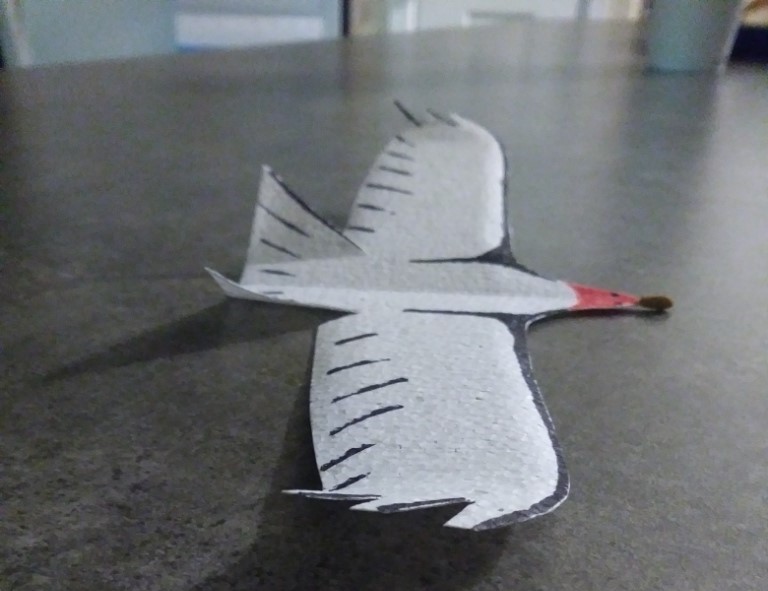
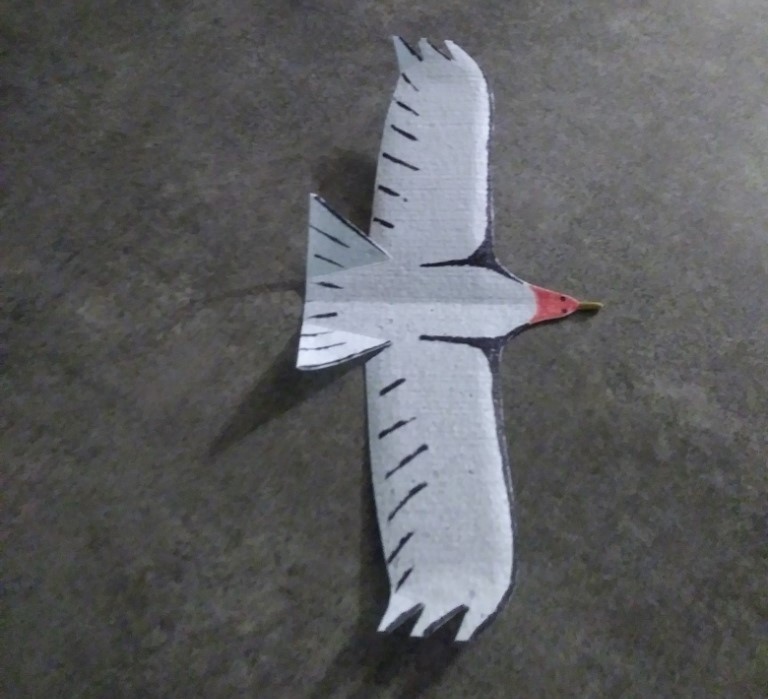
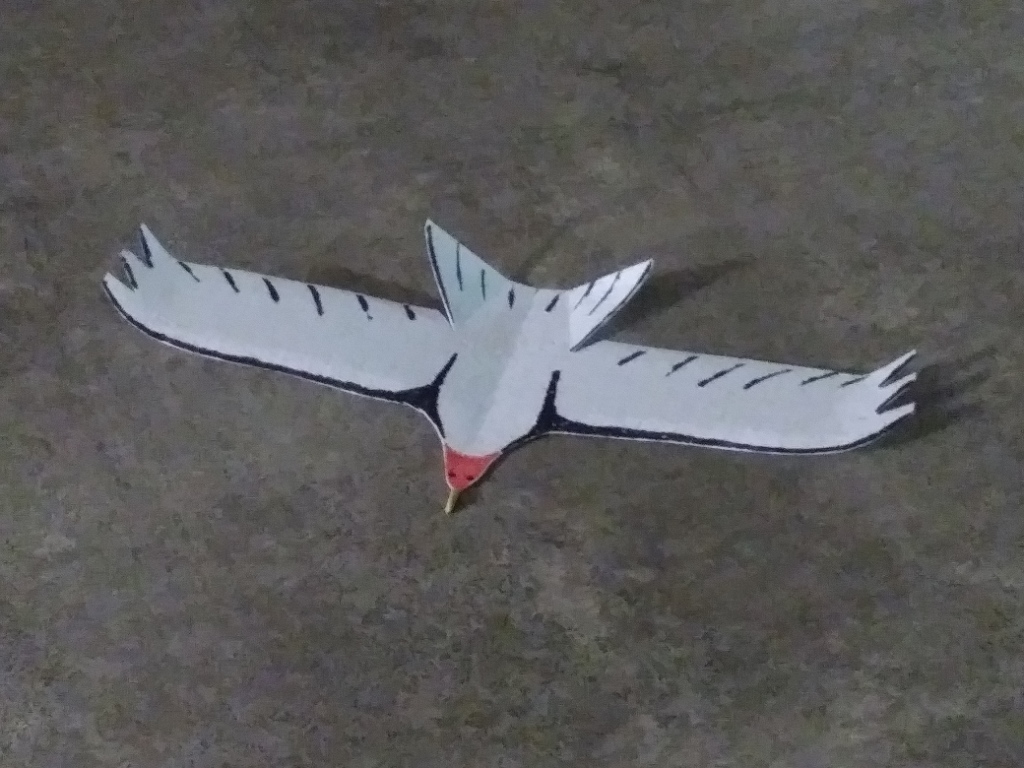
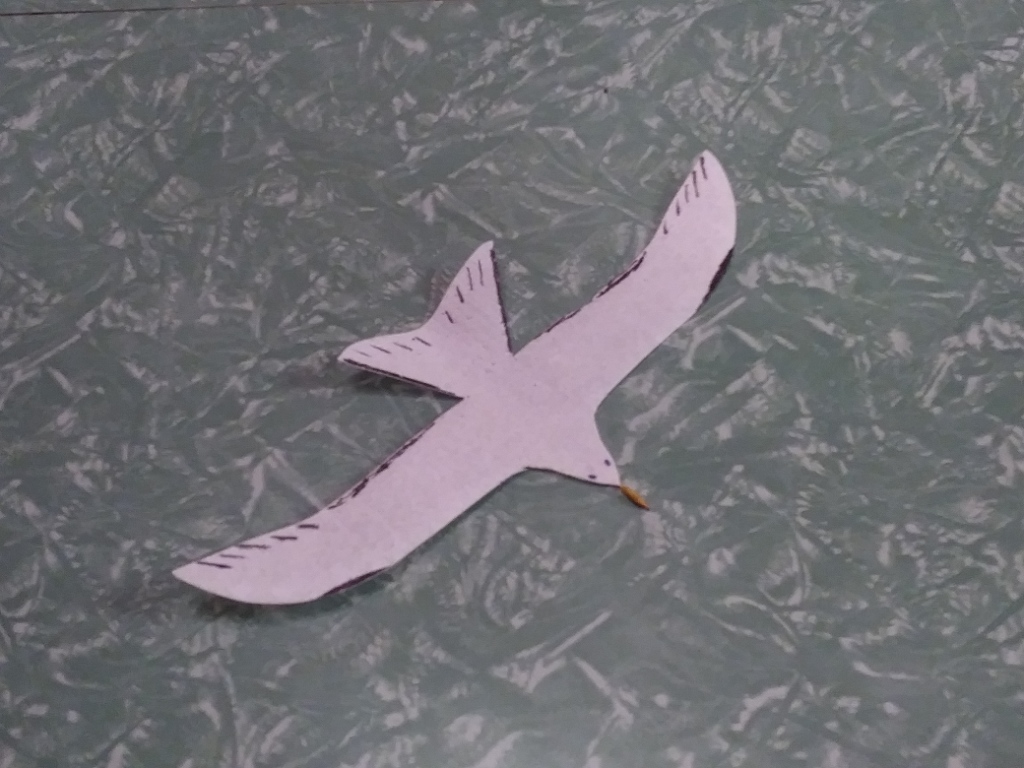
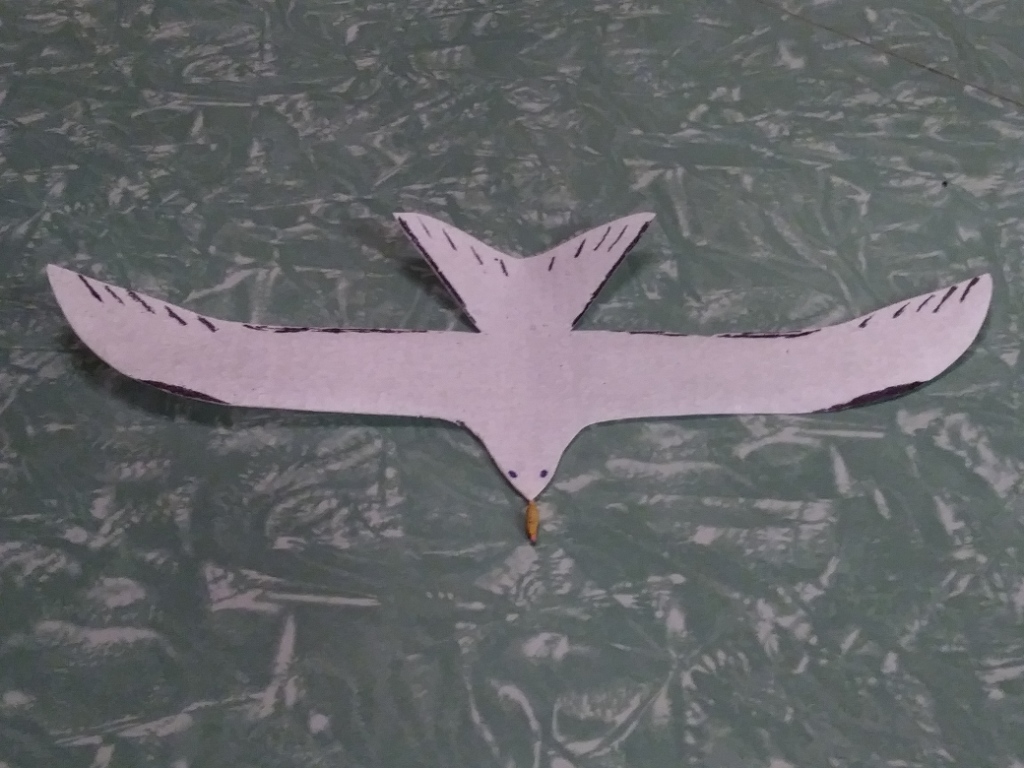
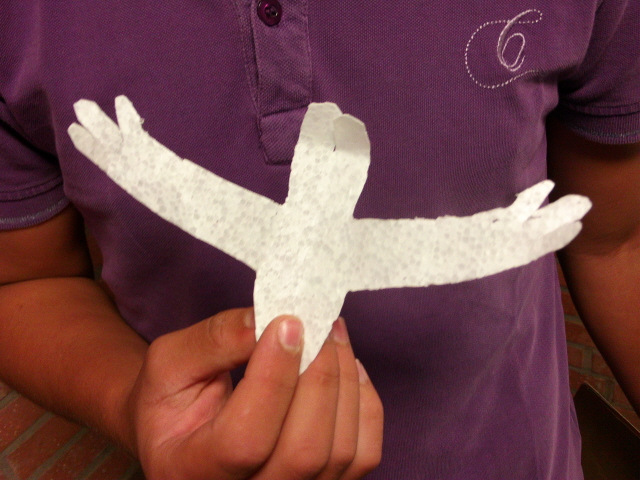
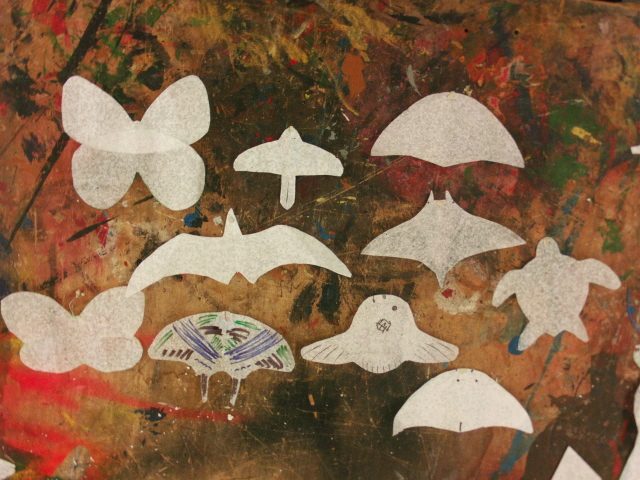
Back to the air surfing main page.Thomas Buchwald is a "Technik" teacher of students in grades 6 to 10 in Germany He is a great friend, though I have yet to meet him in person. Thomas and his students make wonderfully creative engineering projects. Lately he has turned his attention to creating bionic walkalong gliders: pterodactyls (pterosaurs), manta rays and other sea creatures. I partularly like the sea creatures. What better way to show that we live in an ocean of air? He makes them from very thin-sliced foam .4 to .5mm thick. The third picture shows one of Thomas' students experimenting with bird-like wingtips that fly well. The forth picture shows students designs of tree-seed monocoptors. Click on for larger view.
![]() |
![]() |
![]() |
![]() |
![]() |
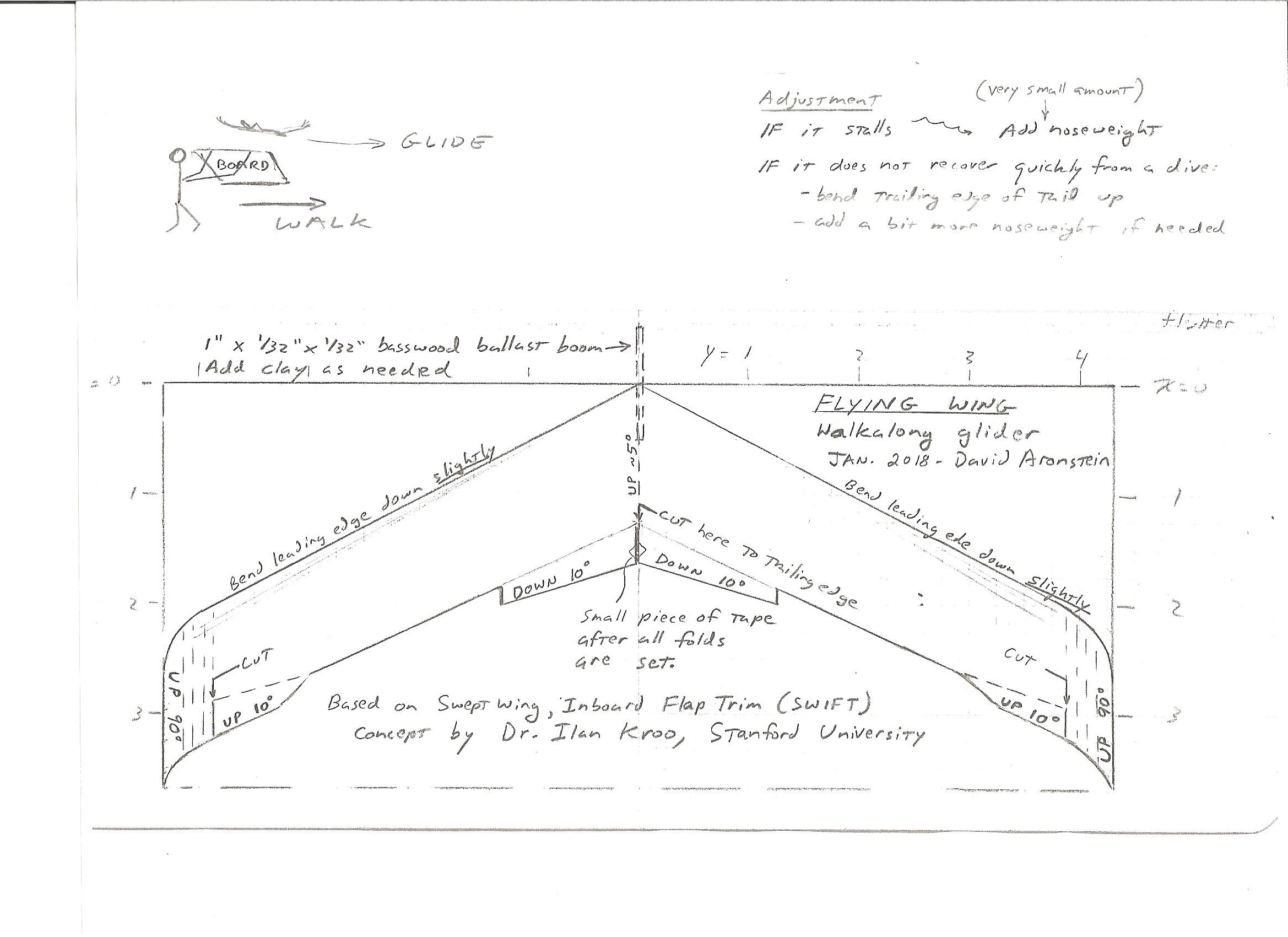
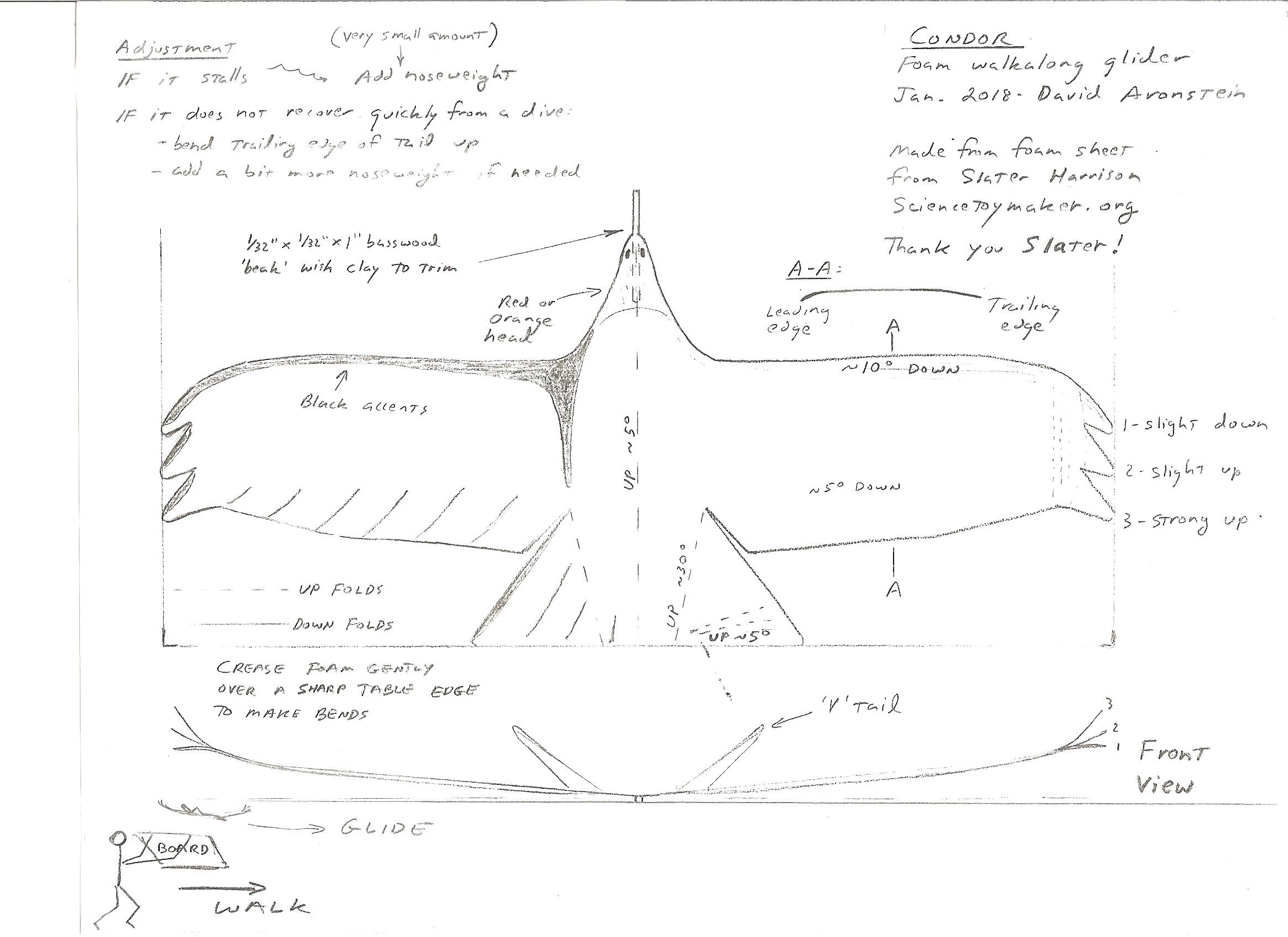
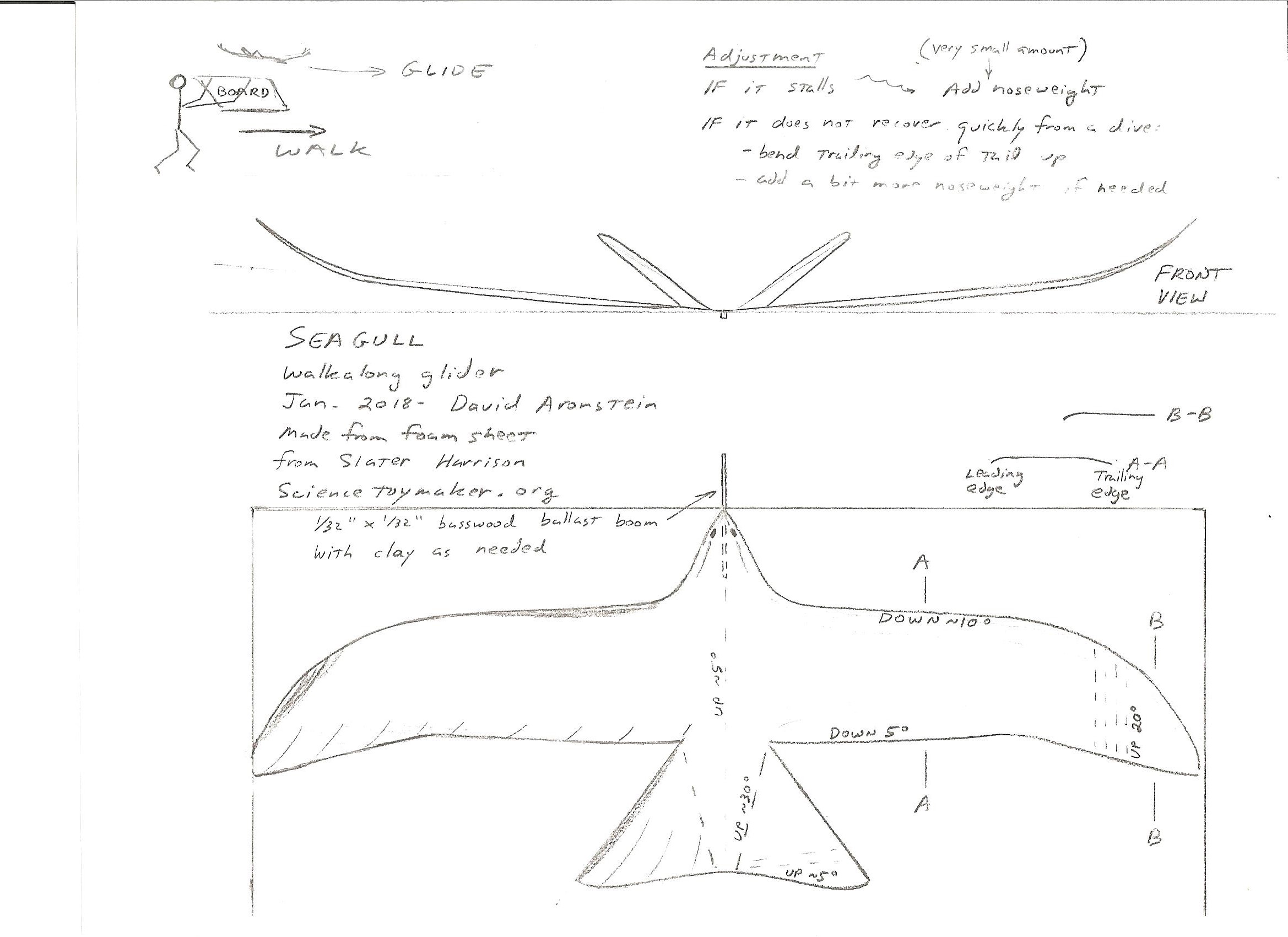
To make walkalong gliders like this you must have EPS foam. Thomas was the one who discovered the best source I know of: fresh seafood packaging. It must be cut very thin. If you can make thin foam, the patterns for 4 bionics are the last two pages of this Word file. T
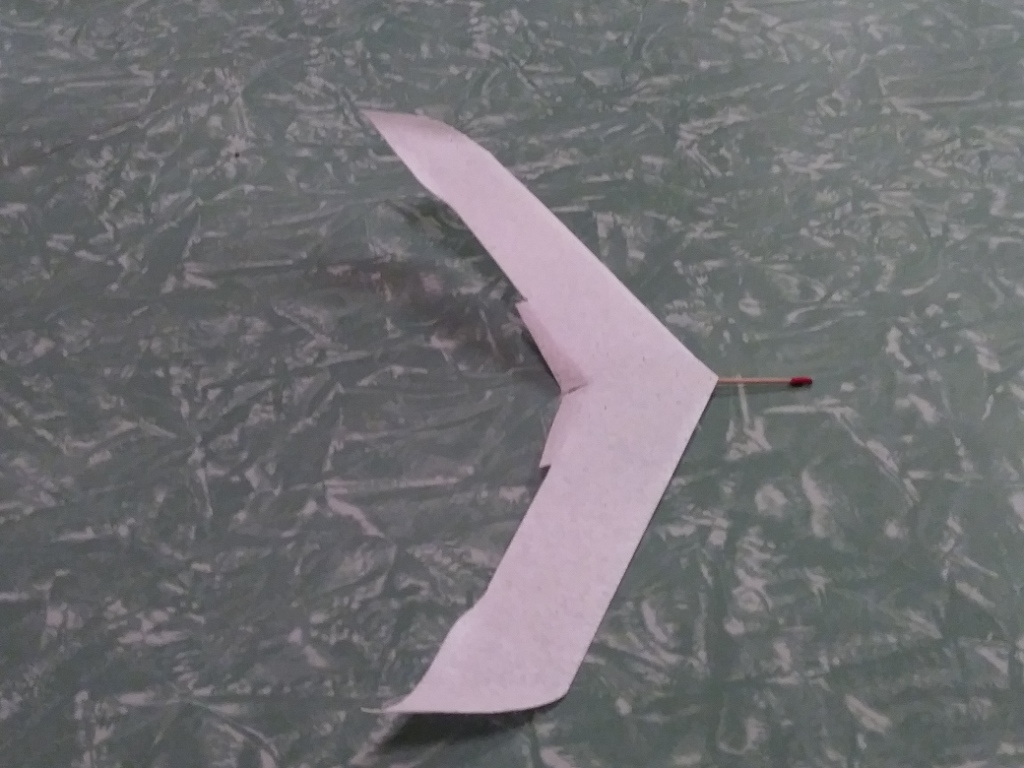
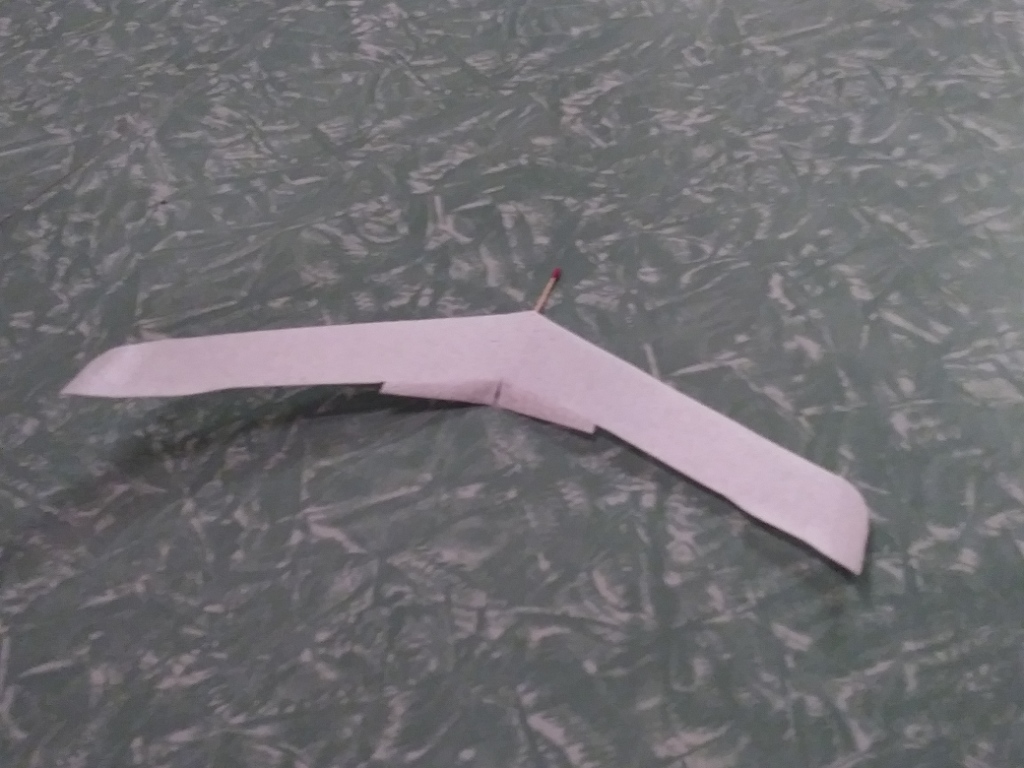
Several of Thomas' creation, the full Manta and Pterasaur, use an interesting wing that bends up, then down, then (at the tip) up again. I'd never seen a glider lide that. I thought it looked cool, but I wasn't sure it would actually fly. It did fly, with great stability and very responsive to turning.
I asked Thomas about it and he said, " Dear Slater, I am very happy that you like the pteranodon. The mountain folds on the wings produce an airfoil similar to the jedelsky airfoils ( Jedelsky was an austrian model aerodynamics pioneer who tried to get close to bird`s wings ) which work well at low reynolds numbers. ( They are bad at higher speeds but that is not important for walkalong gliding ). At the same time the mountain folds produce a kind of downwash, which adds flight stability. If they are behind the centre of gravity, they work as elevons, as well.
SO MUCH MORE! Flying superheroes! ***Student designed Biplane!***Flying angels!***Robots, rockets, RC flying machines...check out Thomas' web page and archive.
********************************************************************************************
Mr. Chen Wenhwa
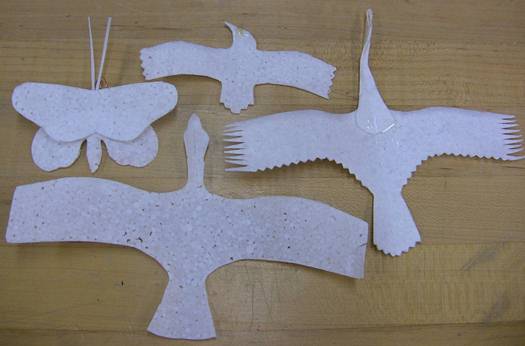
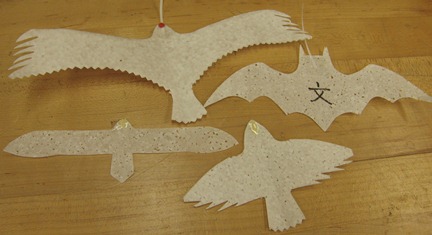
I have been admiring the work of a gentleman in Taiwan for a long time on YouTube .Mr. Chen Wenhwa is a primary school teacher who also volunteers at a science museum and works with the Yuanzhe Foundation to promote science education. Chen makes the elegant flying creatures: birds with long, graceful wings, dragonfliss, bats, butterflies, etc. Now we are becoming freinds--struggling to communicate with Google Translate. I was very happy that he sent me some foam gliders. They are beautiful and fly very well, so efficiant that I can fly with only hands.
![]() |
![]() |
|
![]() |
![]() |
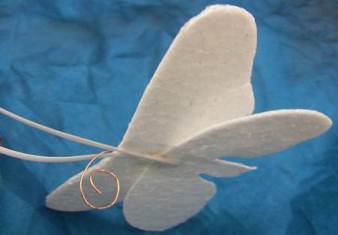
Here is a nice foam butterfly glider design. I think it might benefit from bending the back up a little (reflex, elevons) although there might be other tricks for gaining stability.. Here is a good flying dragonfly design.
Here is another gentleman from Taiwan who makes beautiful butterfly gliders. He has some cool videos of ultra lightweight model planes, too.
Dr. Diana Wehrell-Grabowski science educator, consultant, surfer and world traveler found gliding seeds in Indonesia that look and glide like walkalongs. And she sent a BBC video link.
Phil Rossoni in Boston has also done interesting things with real butterflies.
**********************************************************************
Thomas Buchwald discovered a new way of looking at tumblewings which led directly to the Big Mouth Glider and has improved several sciencetoymaker projects. Here is a collection of some of his school projects.
*************************************************************************